
Tooth pain at night is rarely random. It often feels stronger after you lie down because changes in body position can intensify pressure inside an already irritated tooth.
There are a few reasons this happens, and some of them have nothing to do with how bad the state of your tooth actually is. How your blood flows, the position of your body, and even a quiet bedroom all play a role in how intense the pain feels once the lights go off.
In this article, you'll find out why toothache tends to flare up at night, what's most likely causing it, and when it's time to stop toughing it out. Plus, we will suggest some simple tweaks you can do before morning to get some relief.
Read on so you know exactly what to do before your next sleepless night.

Why Tooth Pain at Night Feels So Much Worse
Tooth pain intensifies at night mainly because when you are lying down in bed, it increases blood pressure around your sensitive nerves, and there are no distractions to take your mind off it.
According to health science, when blood flow increases to your head in a lying position, that extra pressure lands directly on pre-sensitive teeth. It's basic body mechanics, which is enough to convert mild discomfort into something far harder to sleep through.
When this happens, keeping your head elevated with an extra pillow can help take some of that pressure off. It won't fix the underlying problem, but your nights could be a little more manageable.
However, blood flow isn't the whole story. With fewer distractions around you at night, your brain has nothing else to focus on, so pain signals get louder. And this heightened awareness is one of the primary reasons why tooth pain feels worse at night rather than during the day.
On top of that, dry mouth during sleep reduces saliva, which normally helps to neutralise acids and protect enamel. That sets the scene for what's actually causing the problem in the first place.
Common Reasons You're Waking Up With Tooth Pain
There are quite a few reasons your tooth decides to flare up the moment your head hits the pillow, and some are more serious than others.
Now, let's have a look at the most common ones worth knowing about:
Tooth Decay, Infection, and a Cracked Tooth
Tooth decay is one of the most frequent culprits for pain. When a decayed tooth is left untreated, it exposes the inner pulp and leaves the nerves wide open to temperature changes and pressure overnight. Sugary foods speed this process up considerably, especially when oral hygiene slips.
A dental abscess is an infection at the root of a tooth, and it often causes deep, throbbing pain when you lie down. We understand this is not the most pleasant topic to discuss with your dentist, but dealing with it early can prevent bigger problems.
Sometimes, a cracked tooth can be just as painful and trickier to spot. The sharp pain when biting or releasing pressure is usually the telling sign, even when an X-ray shows nothing obvious.
Grinding at Night and What It Does to Your Teeth
Teeth grinding, known as bruxism, puts serious pressure on teeth and jaw joints overnight. But most patients had no idea they were grinding until a partner flagged it or a dentist spotted the wear patterns during a routine check.
Dull pain along the jaw or across other teeth by morning is a common symptom of this issue. Over time, grinding wears down enamel and can cause cracks by making teeth far more sensitive to cold foods and everyday pressure.

Gum Disease and Why It Flares Up Overnight
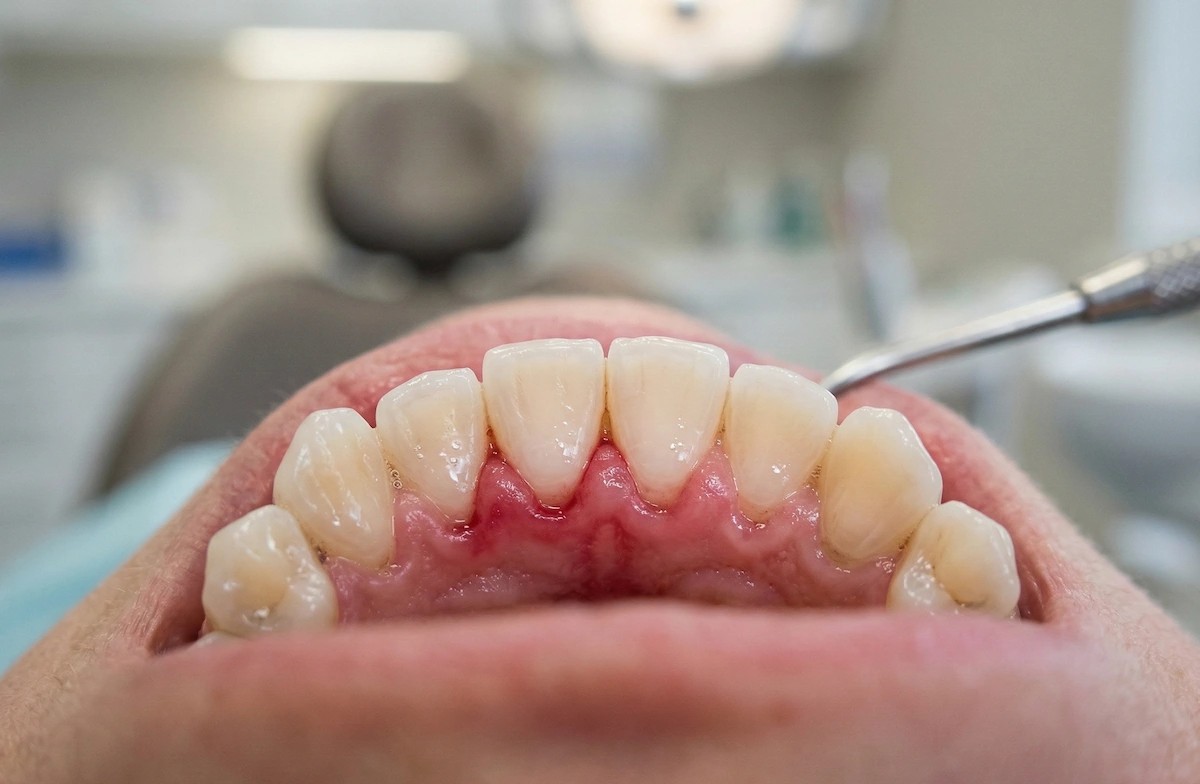
Basically, gum disease causes gum tissue to pull away from teeth by exposing sensitive root surfaces. Swollen gums are often the first visible sign here, but many people don't connect the overnight tooth pain to their gum health at all.
Beyond that, reduced saliva flow at night also lets bacteria multiply around already-inflamed gums, which worsens discomfort by morning. Just switching to a soft-bristle toothbrush and keeping up with regular check-ups goes a long way toward managing this.
Sinus Pressure and How It Mimics Dental Pain
Sinus pressure is one of the more surprising causes of overnight toothache pain. The roots of your upper teeth sit very close to the sinus cavity, so a sinus infection can feel identical to a dental problem.
Frankly, lying down worsens sinus pressure, which is why this type of pain tends to peak at night or first thing in the morning. That means if the pain affects several upper teeth across the upper jaw rather than one specific tooth, sinus pressure is often the real culprit.
Pain Worse Than Usual? When to Treat It as a Dental Emergency
Not all tooth pain is an emergency, but certain signs, like facial swelling or fever, mean you should seek care that same night rather than waiting.
And this is the part where a lot of people get it wrong by sitting with toothache pain for days, hoping it will settle down quickly (and sometimes it does too). But when specific symptoms show up alongside the pain, waiting becomes a risk.
If you ever notice swelling in your face, jaw, or neck, take it as a sign that the infection may have moved beyond the tooth. At this stage, you should seek emergency dental care the same day. In fact, trouble breathing or swallowing alongside jaw swelling also signals you should head straight to the emergency department.
A fever combined with severe throbbing pain is another red flag. This kind of thing goes from bad to worse quickly. Trust us when we say that an infected tooth doesn't resolve on its own. So the longer you wait, the more it threatens surrounding teeth and tissue.
Bottom line: If over-the-counter pain relief isn’t helping you at all, the toothache is likely more serious than your home remedies can manage. So, the underlying cause needs professional care, not another painkiller.
How to Relieve Tooth Pain Before Morning: Home Remedies That Truly Help
A few simple remedies like clove oil, a hydrogen peroxide rinse, and a cold pack can take the edge off tooth pain while you wait to see a dentist. These won't fix the problem at the root, but they can give you relief from sleepless nights.
Here's what's worth trying:
Clove Oil: Clove oil contains eugenol, a natural numbing compound. If you take a small amount of this and dab it onto the affected area with a cotton ball, you will get short-term relief. It's one of the oldest natural remedies around.
Hydrogen Peroxide Rinse: One part peroxide mixed with one part water helps reduce bacteria and ease inflammation around the tooth. Just swish it gently for about 30 seconds and spit it out. This works particularly well for pain tied to gum disease or an infected tooth.
Cold Compress or Ice Pack: You can hold a cold compress or ice pack against the cheek for 15 to 20 minutes. It will help you to reduce swelling and dull the pain on the painful side. However, wrap it in a cloth first to avoid irritating the skin.
Warm Saltwater Rinse: This is a gentle rinse that is easy to make at home. Mix half a teaspoon of salt into a glass of warm water and rinse slowly. It clears food particles and reduces pain around swollen gums.
Sleeping Position: Keeping your head elevated with an extra pillow reduces increased blood flow and can reduce pain noticeably overnight. It may look like a small adjustment, but on a night with dull pain, it always counts.
Quick tip: For mild discomfort, over-the-counter pain relief like ibuprofen can help you to manage symptoms until your dental appointment comes through.
When You Need to See a Dentist and What to Expect
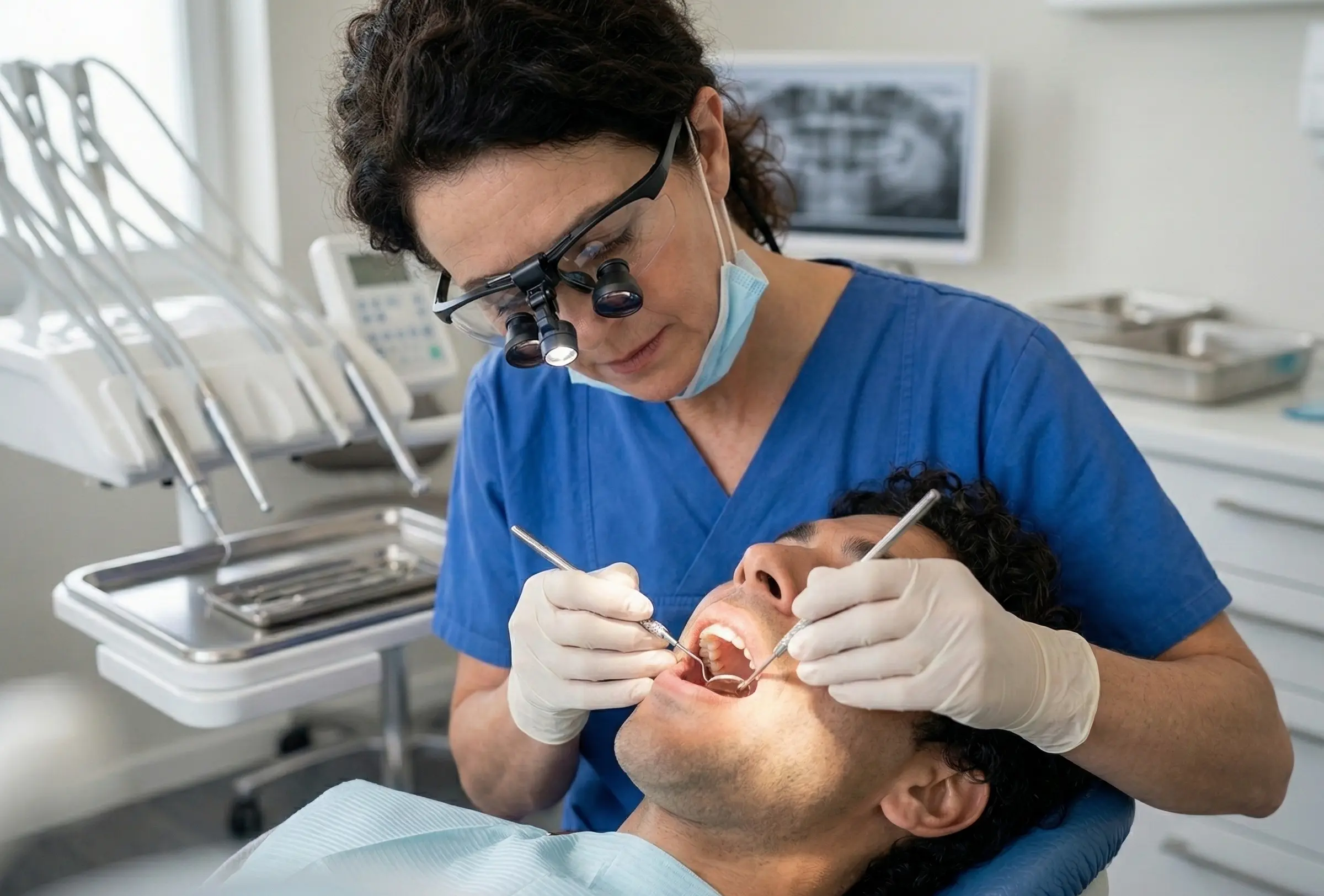
If your tooth pain keeps coming back, lasts more than a day or two, or comes with swelling, a visit to the dentist is the only way to fix what's causing it.

This also brings up a fair question: how do you know when home care stops being enough? Well, this table will sort that out for you:
From there, your dentist will assess the underlying cause and discuss treatment options. For decay or a cracked tooth, a filling or a crown is often enough. But when infection has reached the inner pulp, root canal therapy is usually the solution we recommend to our clients.
Most procedures for an infected tooth are done in one or two visits. Many dental practices across Australia also offer emergency care for situations that can't wait. So if wisdom teeth are adding to your discomfort, don't put off that dental appointment. Your dental health is worth a single phone call.
Don't Let a Toothache Call the Shots
Tooth pain at night is uncomfortable, disruptive, and not so easy to put off. That's why ignoring it rarely solves your problem. But the good news is, once you know what's behind it, the path forward gets a lot clearer.
Here's a quick recap of what to take away:
Lying flat increases blood flow and worsens tooth pain overnight
Common causes include tooth decay, teeth grinding, gum disease, and sinus pressure
Home remedies like clove oil and a cold compress offer temporary relief
Swelling, fever, or throbbing pain that won't settle needs professional care fast
Remember, tooth pain is your body’s way of signalling that something needs attention. The sooner you act, the better your oral health outcomes.
If you're ready to stop guessing and get proper dental care, Best Dentists has experienced dentists ready to see you, diagnose the problem, and get you feeling better fast.
Recent Posts
-
 Veneers, Whitening, or Bonding? Choosing the Right...
6 months ago
Veneers, Whitening, or Bonding? Choosing the Right...
6 months ago
-
 Dental Check-Up Costs in Australia: What You’ll Re...
6 months ago
Dental Check-Up Costs in Australia: What You’ll Re...
6 months ago
-
 Bleeding Gums: Harmless or a Warning Sign? When to...
6 months ago
Bleeding Gums: Harmless or a Warning Sign? When to...
6 months ago